Best picture battle: La La Land
2016 was a pretty stellar year for film. Deadpool was a breath of fresh air into a genre growing stale, informing the execution of superhero movies and the style of comedy that would define the remainder of the decade. The suspenseful editing of Rogue One would revitalize interest in the tired sequel trilogy, and Moana would cement itself as one of the last successful Disney princess films.
The Oscar’s Best Picture nominees consisted of great films. Arrival was a continuation of Denis Villeneuve’s descent into modern day science fiction innovation and Manchester by the Sea was a quiet tragedy lifted by Casey Affleck’s central performance- but there were two clear front-runners.
The suspense would continue all the way up until the night of the ceremony, when Warren Beatty and Faye Dunaway would walk on the stage and announce the verdict: “La La Land!” Cheers erupted in Dolby Theatre as director Damien Chazelle and his crew walked onto the stage. The critically and commercially acclaimed favorite had just been announced as winner, and Chazelle proudly accepted his award and recited his speech through the clamouring of his crew behind him on stage. The envelope was being passed around, and as security walked on stage, producer Jordan Horowitz would push Chazelle aside to step in front of the microphone;
“There’s a mistake. Moonlight, you guys won best picture.”
A hush and a few confused claps fell over the room casts and crews shuffled on and off stage, and by the time Barry Jenkins graced the stage the television coverage was already cutting to commercial break.
Although probably the single most embarrassing moment in the Academy’s history, it also felt like a testament to the adjacency of the two films. Both groups that walked onto the stage that evening had produced year, if not generation-defining movies, but only one of them would walk away with a golden trophy.
So which film ultimately deserved the award? Was La La Land duped out of getting it’s rightful recognition, or did Moonlight deserve its title in the end?
Moonlight
Before even speaking on the content of Moonlight, I’d like to preface it by listing the records it broke in its Best Picture triumph: lowest budget film to win Best Picture with a $1.5 million budget, the first film with an LGBTQ+ protagonist to win Best Picture, the first film with an all-black cast to win Best Picture, and the first film with an African-American director to win best picture.
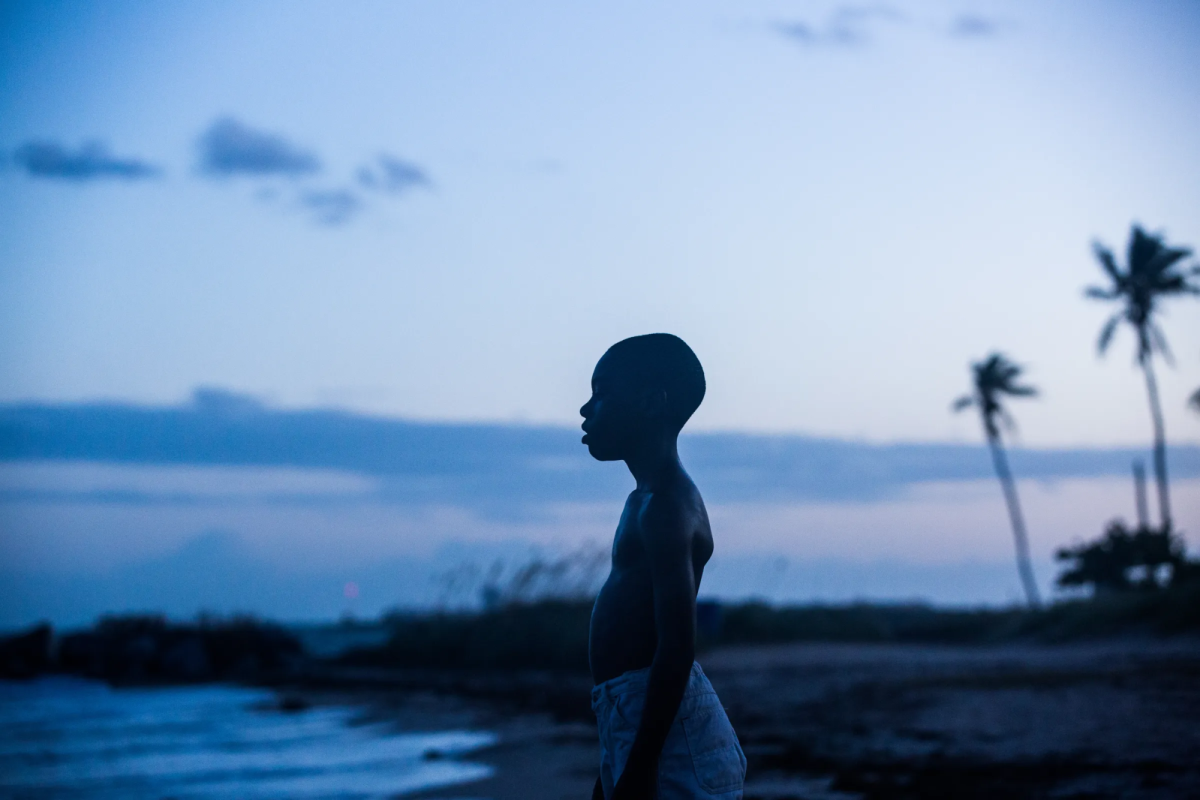
Moonlight is a transcendent film about a black, gay man growing up in Miami, spanning across three stages of his life. The most immediately striking aspect of the film is its dreamlike cinematography, glowing with fluorescent cool colors, scenes devastating, transformative, and unforgettable on their visual quality alone. What makes the film’s consistent beauty even more impressive is that it wasn’t shot on a meticulously crafted set, but rather with a careful eye for the natural beauty of the world surrounding the protagonist- a relentlessly harsh, unaccepting world.
I think its hope is what makes it one of the most important movies of our generation. A film about a man constantly being kicked down could’ve very easily settled into being a tragedy, but Moonlight chooses to have faith through connection. In Act 1, the protagonist, Chiron, meets Juan, played by Mahershala Ali, who gives him his first sense of connection and family. Though subtle in its delivery, Barry Jenkins insists upon hope in the face of devastation, insists upon being unabashed in who you are. In the titular moment of the film, Juan tells Chiron, “In moonlight, black boys look blue,” a proclamation to not let your surroundings define you and decide who you want to be.
When looking back at 2016 with rose-tinted glasses, we oftentimes forget how much political and social division was created, turmoil that lingers even to this day. It was that year that a society that once seemed as if it was progressing towards acceptance fell back upon hate. It was this year that not only did we need Moonlight, but that we needed Moonlight to define the year. Not to let the anger and resentment characterize 2016, but the connection we seek between one another, the acceptance we find in every corner of our community- the hope.